Science Ceilidh
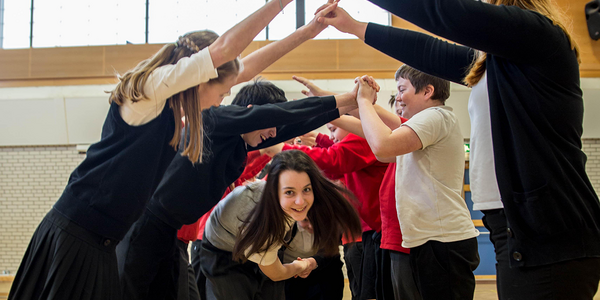
Explore symmetries through dance with this pack and instructional video. No maths or dancing experience required! Suitable for use with any group.
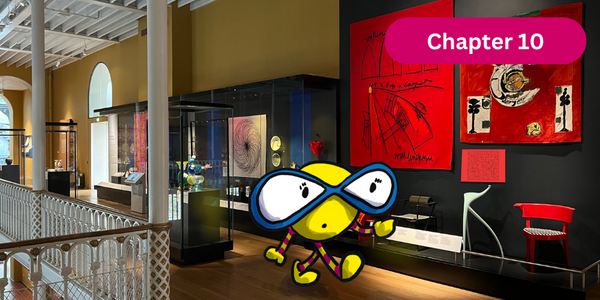
A surprise new artwork turns out to be a clue hidden in plain sight.
>> Download Chapter 10
>> Download Puzzle 10
>> Download Puzzle 10 (simplified)
Best suited for Early, First and Second Level
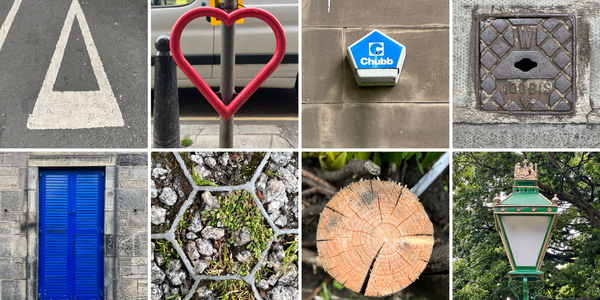
A scavenger hunt is a great way to get out and about and have some fun with maths. Go on a Shape Hunt outdoors, looking for how many different shapes you can find. Why not document what you find and share your photographs with us online!
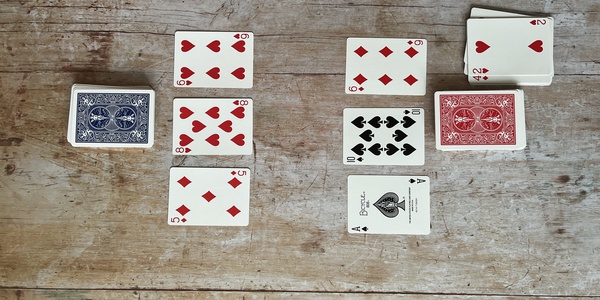
Maths War is a great little game to practice different kinds of maths skills, including number values, place value, addition and multiplication. All you need is one of two packs of regular playing cards, with the face cards (Jack, Queen, King) removed.
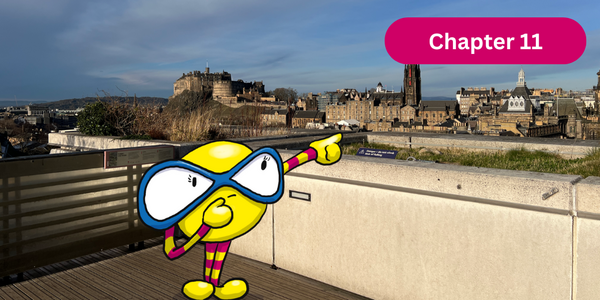
Finn goes to the rooftop terrace for a breather, and has an inspiration.
>> Download Chapter 11
>> Download Puzzle 11
>> Download Puzzle 11 (simplified)
>> Download Final Suspect Profiles
Best suited for Early, First and Second Level
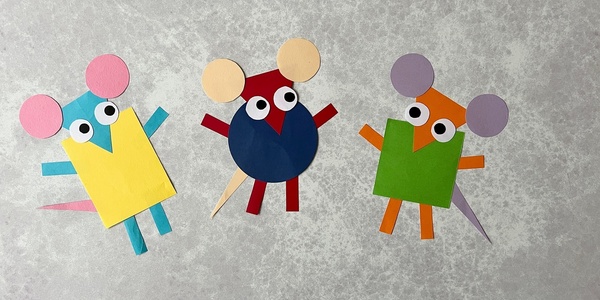
Celebrate Burns Night with this shape activity, in honour of one of Robert Burns' most well known poems, 'To a Mouse'. Cut out shapes of different sizes from coloured paper or card, and arrange them to create mice. What other shapes can you use? How about a pentagon or a hexagon mouse?
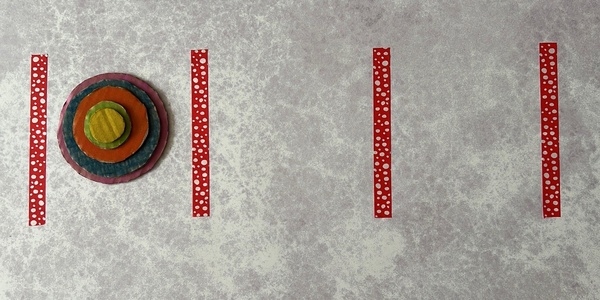
Time to get your scissors & paints out to create your own Tower of Hanoi puzzle - and then of course you'll have to solve it! But don't worry, we've included the solutions at the end of the video. You can try it with 3, 4 or 5 discs.
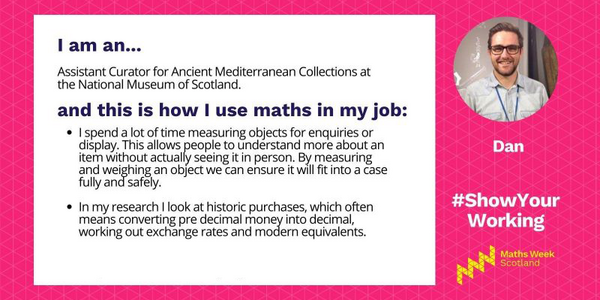
Best suited for First and Second Level
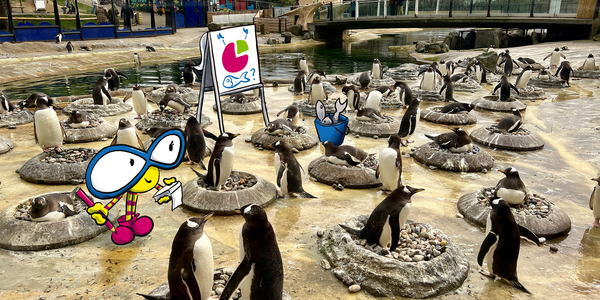
Read the interactive story together, set at Edinburgh Zoo, and solve the maths puzzles and challenges along the way. Includes teachers pack with supporting notes, slideshow and more.
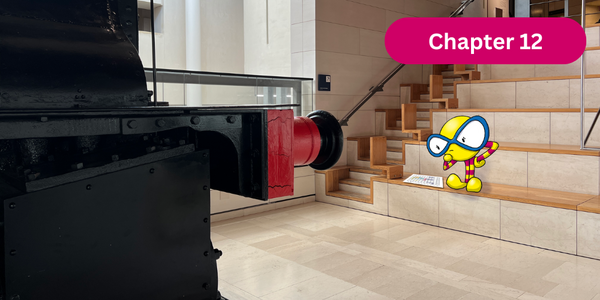
Finn finds a discarded museum map, but notices something strange about it.
>> Download Chapter 12
>> Download Puzzle 12
>> Download Puzzle 12 (simplified)
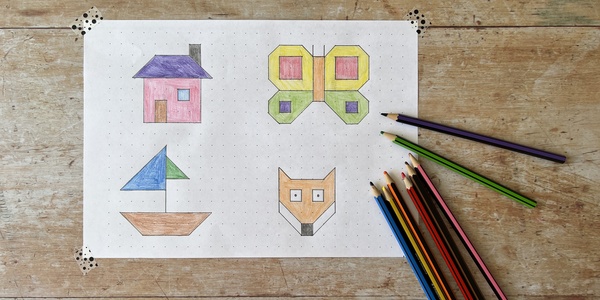
Pencils at the ready! Using dot grid paper to create pictures, connect adjacent dots vertically, horizontally or diagonally to create geometric drawings.
If you don't have any dot grid paper, you can download and print off some for free via the link below. Or you can use graph paper and connect the corners of the squares instead.

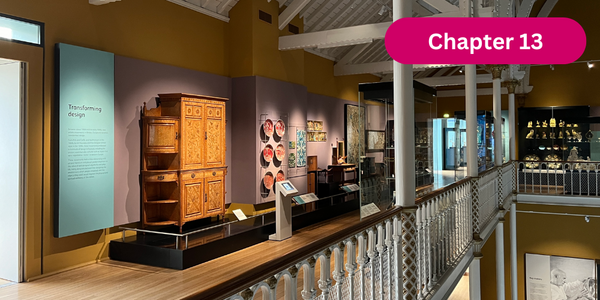
A cabinet with geometric carvings leads Finn to his next clue, and another mysterious text message arrives.

Best suited for First and Second Level
For Maths Week Scotland 2019, Anderston Primary School in Glasgow created a Maths Code Game that you can play at school or at home, no matter where you live. You will need a mobile phone with the free Escape Team app installed.
Access the game, some maths trails to do locally in Glasgow, plus tips on how to create your own, via the Anderston Primary School website below.
Funding for the trails came from the Maths Week Scotland Small Grants Fund. Content for the day developed by school staff with support from the Parent Council.
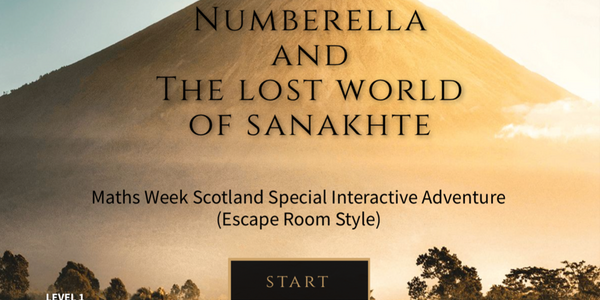
Join Numberella, Ronnie Resist, Miss A Go and The Thief in an exciting interactive adventure that will take you deep into the jungle of the lost world of Meravilium. Use your maths skills to help the adventurers outwit the mysterious talking creatures who guard the great pyramid… and help them discover the secrets that lie inside!
There are two difficulty levels to choose from, one for the 7-10 age group and one for the 11-14 age group. Everyone who completes the adventure wins a certificate!
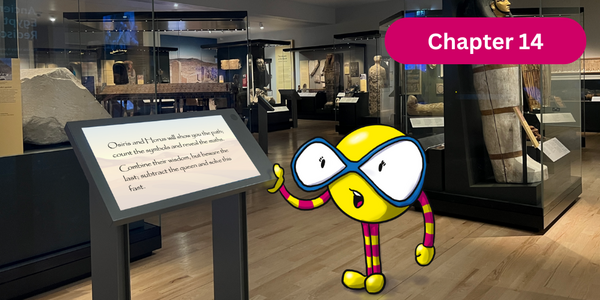
What has Finn discovered in The Ancient Egypt gallery?
Best suited for First and Second Level (age 5 - 11)
When we build wind farms, what happens to the wildlife? In this interactive talk, statistician Katherine Whyte looks at how we can use maths and statistics to help us balance the benefits of wind energy with the risks posed to ocean wildlife like seals and seabirds. Where were the animals before we built the wind farm, and how many were there? How many animals leave when a wind farm is built, and do they come back? What do animals do when they are near a wind farm, and can they still find enough food in the sea?
Statistics is an important tool in helping us to answer these questions, and helping us make decisions that are both good for the planet and good for our local wildlife.
Part of the Royal Statistical Society's William Guy Lecture Series
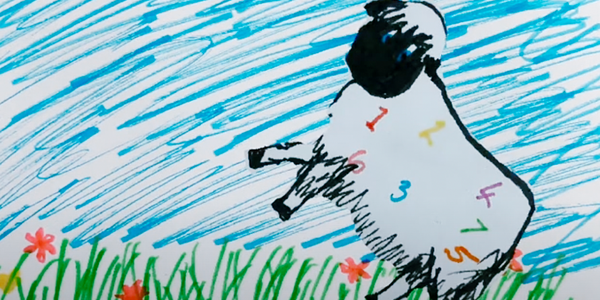
Try your hand at coding and bring a character to life with code in Scratch! Follow along with Claire Quigley from Glasgow Life to try the example below of a “Counting Sheep” to see how it’s done, or watch our video at scienceceilidh.com/codedance and then share your animation!
Content created by Science Ceilidh
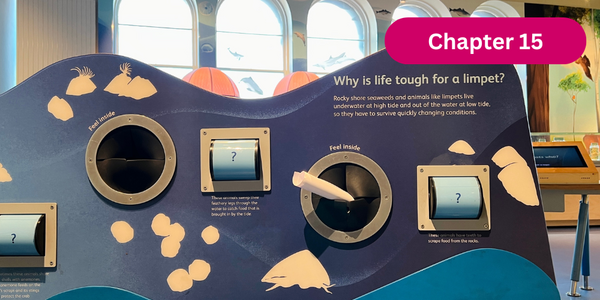
It's the final chapter - will Finn Finity solve the case?
>> Download Chapter 15
>> Download Puzzle 15
>> Download Puzzle 15 (simplified)
>> Download Crime Scene Photos
>> Download 'Who Is Lying?' Puzzle
Best suited for First and Second Level
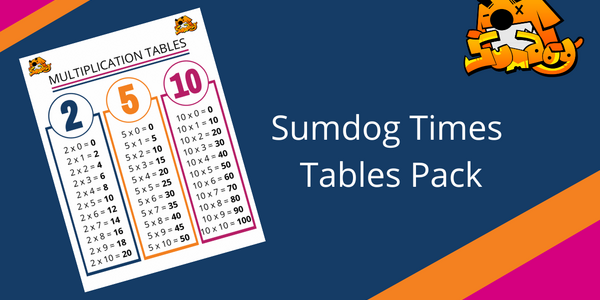
A good understanding of times tables, and the ability to recall them quickly, is an essential foundation for children’s learning. So at Sumdog, we've made all our practice tools fun and engaging!
Download our free Times Tables pack to access our Pathway to Multiplication Success, lesson plans and times tables cards to use during Maths Week Scotland.